PRP Skin Rejuvenation in Myeongdong Seoul
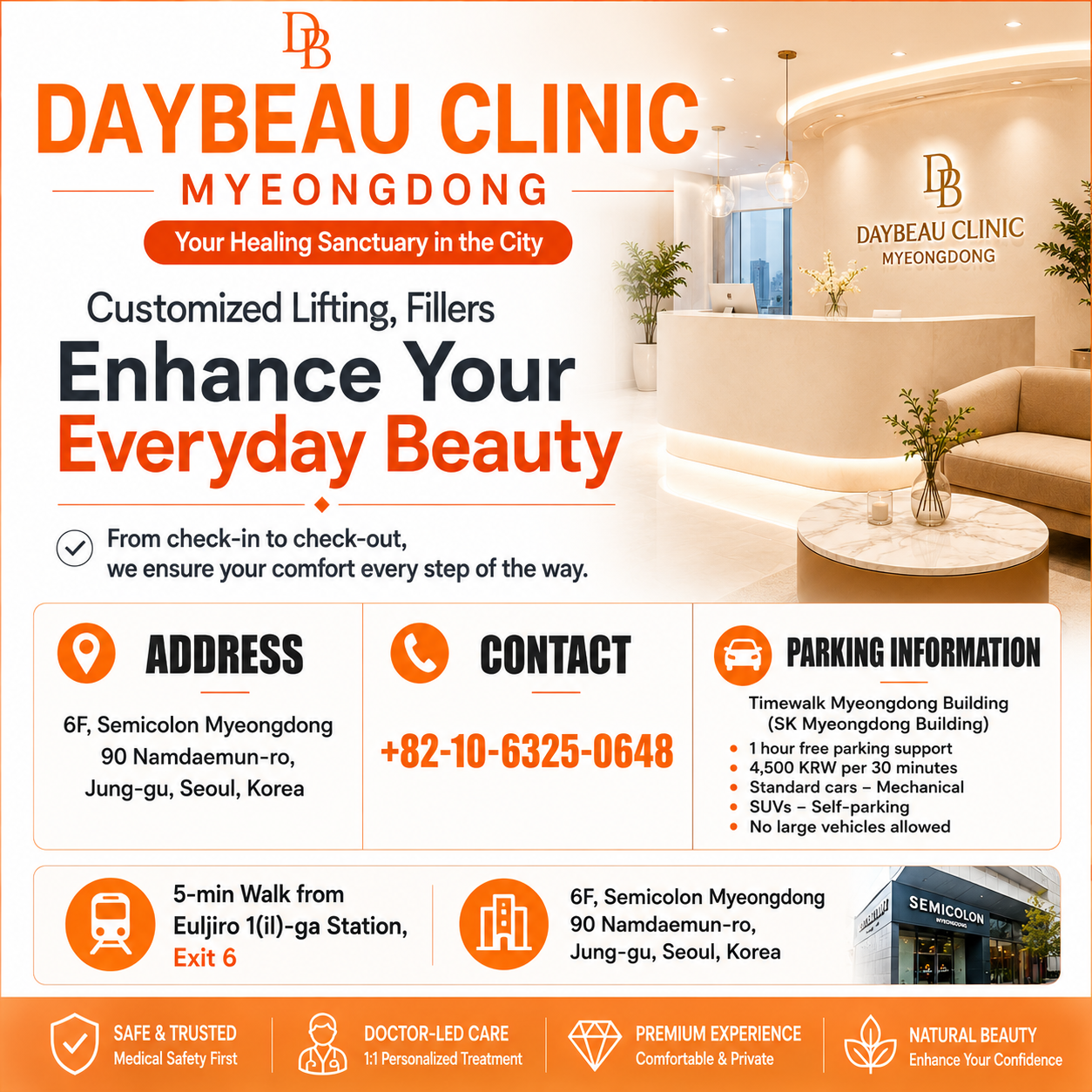
Myeongdong Daybeau Premium Branch
Discover PRP Skin Rejuvenation in Myeongdong, Seoul at Myeongdong Daybeau Premium Branch.
PRP uses platelet-rich plasma derived from the patient's own blood and may be used to support skin repair and rejuvenation,
helping improve texture, elasticity, fine lines, and overall skin quality.
What Is PRP Skin Rejuvenation?
PRP stands for Platelet-Rich Plasma.
During treatment, a small amount of the patient's blood is collected and processed to concentrate platelets within the plasma. The prepared PRP is then used as part of a skin rejuvenation treatment.
Platelets contain naturally occurring growth factors involved in tissue repair and healing processes.
For aesthetic applications, PRP may be used to support skin renewal, collagen-related processes, texture improvement, and overall facial rejuvenation.
How Does PRP Skin Rejuvenation Work?
PRP treatment begins with drawing a small amount of blood from the patient.
The blood is processed to separate and concentrate platelet-rich plasma. The prepared PRP can then be introduced into selected treatment areas using an appropriate technique based on the treatment plan.
Because PRP comes from the patient's own blood, it offers a different regenerative approach from synthetic fillers or manufactured skin boosters.
What Can PRP Skin Rejuvenation Help Improve?
PRP may be considered for concerns such as:
- Fine lines
- Reduced skin elasticity
- Uneven skin texture
- Dull-looking skin
- Early signs of aging
- Tired-looking skin
- Reduced skin firmness
- Overall skin quality
- Skin rejuvenation
- Loss of natural radiance
Treatment suitability and expected results vary between patients.
PRP for Skin Regeneration
PRP is commonly associated with regenerative aesthetic medicine because it uses components obtained from the patient's own blood.
Rather than focusing on dramatically changing facial shape, PRP skin rejuvenation is generally selected by patients seeking progressive improvement in overall skin quality.
It may be incorporated into a broader anti-aging or skin-rejuvenation program depending on individual concerns.
PRP for Fine Lines
Fine lines become increasingly noticeable as collagen, elasticity, and skin quality change with age.
PRP may be considered as part of a treatment strategy for patients who want to improve the appearance of early fine lines while supporting overall skin renewal.
Deeper wrinkles or significant facial folds may require other injectable, lifting, or resurfacing treatments.
PRP for Skin Texture
Uneven texture can make the skin appear rough, tired, and less radiant.
PRP may support natural repair processes and can be considered when improving overall texture is one of the patient's primary goals.
Patients with more significant acne scars, enlarged pores, or textural irregularities may benefit from PRP combined with procedures specifically designed to remodel the skin.
PRP for Skin Elasticity and Firmness
Collagen and elastin gradually decline as part of the natural aging process.
PRP may be incorporated into a rejuvenation program aimed at improving the appearance and quality of aging skin.
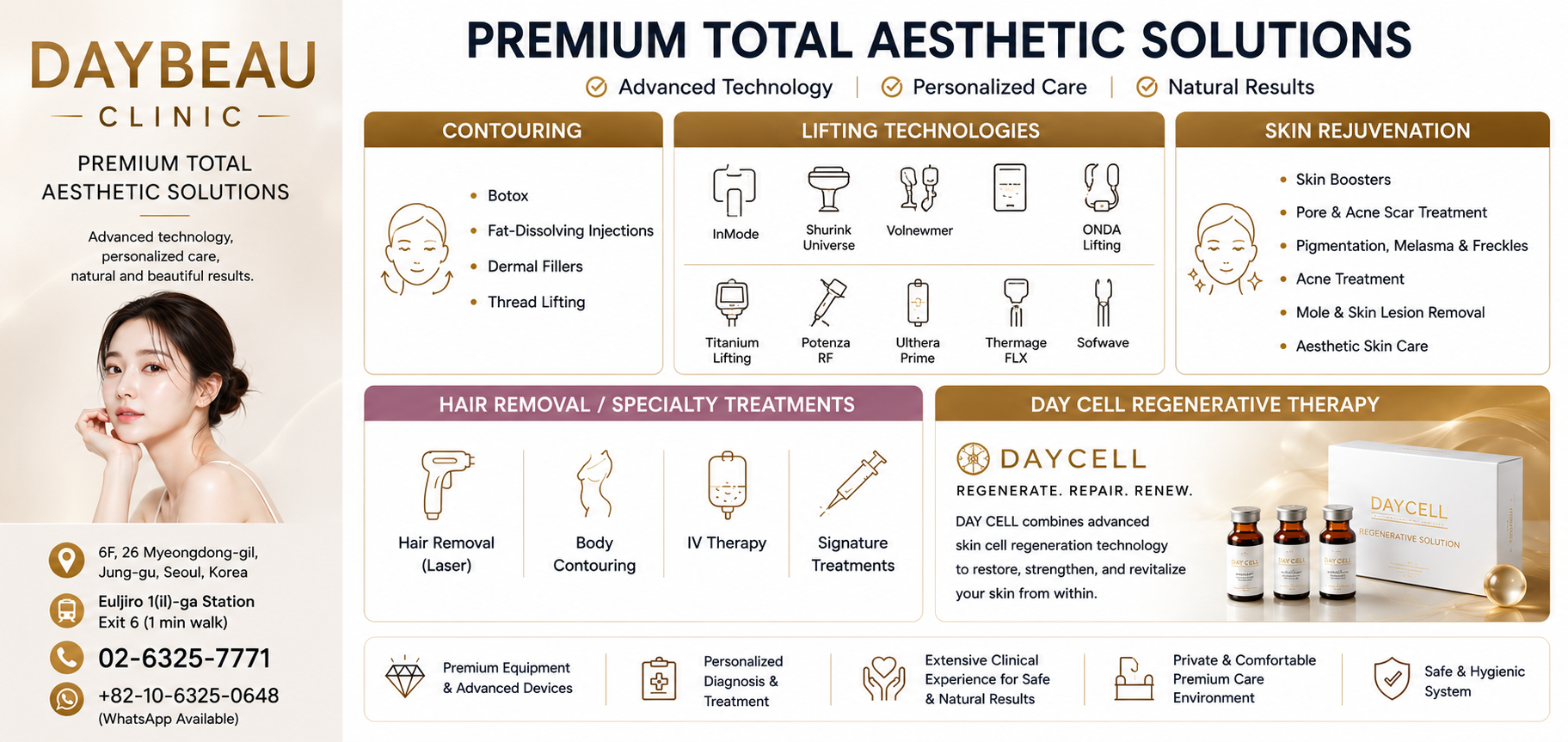
For patients with more noticeable skin laxity, treatments such as Ultherapy Prime, Thermage FLX, XERF, Oligio, or Shurink Universe may be considered in addition to regenerative skin treatments.
PRP for Glowing Skin
Healthy skin radiance depends on hydration, texture, pigmentation, circulation, and overall skin condition.
By supporting skin renewal, PRP may contribute to a fresher and healthier-looking complexion over time.
However, patients with significant pigmentation, dehydration, or rough surface texture may require additional treatments targeting those specific concerns.
PRP vs Rejuran
PRP and Rejuran can both be used within regenerative skin-treatment programs, but they are fundamentally different.
PRP is prepared from the patient's own blood, while Rejuran is an injectable treatment containing polynucleotides (PN).
Rejuran is commonly selected for concerns involving elasticity, fine lines, texture, and overall skin quality, while PRP offers an autologous approach using the patient's own platelet-rich plasma.
PRP vs Exosome Treatments
PRP and exosome-based treatments are often discussed within the broader category of regenerative aesthetics.
PRP uses platelet-rich plasma derived directly from the patient's own blood.
Exosome treatments use different biological materials and formulations, and their composition can vary significantly between products.
The appropriate treatment should be selected according to the patient's skin condition and the specific product or protocol being considered.
PRP vs Skin Boosters
Traditional skin boosters may use ingredients such as hyaluronic acid, PN, or other injectable materials to target hydration, elasticity, texture, or collagen production.
PRP differs because the treatment material is obtained from the patient's own blood.
Patients interested in regenerative skin treatments can discuss whether PRP, Rejuran, Rejuran HB, SKINVIVE, Juvelook, or another treatment better matches their goals.
PRP With Microneedling
PRP may be combined with microneedling as part of a skin-rejuvenation protocol.
Microneedling creates controlled micro-injuries in the skin to stimulate remodeling, while PRP may be incorporated to support the regenerative process.
This combination may be considered for concerns such as texture, fine lines, and general skin rejuvenation.
Suitability depends on individual skin condition.
PRP With Laser or RF Treatments
Depending on the patient's goals, PRP may also be incorporated into treatment plans involving laser resurfacing, fractional treatments, or RF microneedling.
Combination approaches can target several components of skin aging simultaneously.
However, treatment order, intensity, and timing should be determined by the medical team to reduce unnecessary irritation and allow appropriate recovery.
How Many PRP Skin Treatments Do I Need?
The appropriate number of PRP sessions depends on skin condition, age, treatment area, treatment method, and desired improvement.
Some patients may undergo a series of treatments rather than relying on a single session.
Maintenance treatment may also be considered depending on individual response and long-term skin goals.
When Will I See Results From PRP?
PRP should generally be viewed as a progressive skin-rejuvenation treatment rather than an instant transformation.
Improvements in skin appearance may develop gradually as natural regenerative and remodeling processes occur.
Results and timelines vary between individuals.
Is There Downtime After PRP Skin Rejuvenation?
Downtime depends partly on how PRP is administered and whether it is combined with another procedure.
Temporary redness, swelling, tenderness, bruising, or small injection marks may occur.
If PRP is combined with microneedling, laser, or another energy-based treatment, additional redness or sensitivity may be expected.
PRP Skin Rejuvenation in Myeongdong for Foreigners
Myeongdong is a convenient location for international patients interested in Korean regenerative and anti-aging skin treatments during a trip to Seoul.
Myeongdong Daybeau Premium Branch is accessible for travelers staying around Myeongdong, Euljiro, Jongno, City Hall, and central Seoul.
International patients can discuss PRP and compare it with other Korean skin rejuvenation options according to their concerns, available downtime, and travel schedule.
Why Choose Myeongdong Daybeau Premium Branch for PRP Skin Rejuvenation?
PRP treatment should be selected according to the patient's skin condition and overall rejuvenation goals.
At Myeongdong Daybeau Premium Branch, treatment planning can consider skin texture, elasticity, fine lines, signs of aging, desired downtime, and whether combination treatments may provide additional benefits.
This individualized approach helps patients choose an appropriate regenerative skin treatment rather than relying on the same protocol for every skin type.
FAQs About PRP Skin Rejuvenation in Myeongdong
What is PRP skin rejuvenation?
PRP skin rejuvenation uses platelet-rich plasma prepared from the patient's own blood as part of a regenerative aesthetic treatment designed to support skin renewal and improve overall skin quality.
Is PRP good for anti-aging?
PRP may be considered as part of an anti-aging treatment plan for concerns such as fine lines, texture changes, reduced elasticity, and overall skin quality.
Does PRP stimulate collagen?
PRP contains platelets and growth factors involved in natural tissue repair processes and may support collagen-related skin remodeling.
Is PRP the same as a skin booster?
Not exactly. Many skin boosters use manufactured injectable ingredients, while PRP is prepared from the patient's own blood.
Which is better, PRP or Rejuran?
Neither is universally better. PRP provides an autologous regenerative approach, while Rejuran uses PN and is commonly selected for skin-quality and elasticity concerns. The better option depends on individual goals.
Can PRP be combined with microneedling?
Yes. PRP may be incorporated into a microneedling treatment plan when appropriate for the patient's skin condition.
Can PRP help with glowing skin?
PRP may contribute to healthier and more refreshed-looking skin by supporting skin renewal. Other treatments may be required if pigmentation, dehydration, or significant texture problems are the primary concerns.
Can foreigners get PRP skin rejuvenation in Myeongdong?
Yes. International patients visiting Seoul can receive consultation for PRP and other regenerative skin treatments at Myeongdong Daybeau Premium Branch.
Visit Myeongdong Daybeau Premium Branch
Address
Myeongdong Daybeau Premium Branch
90 Namdaemun-ro, Jung-gu, Seoul 04534, South Korea
WhatsApp
+82-10-6325-0648