Home  /  Medical Dermatology  /  Alopecia

Alopecia · Patchy Loss

Alopecia Assessment in Myeongdong identify the type, then choose the route

Alopecia is a broad term for hair loss, from pattern thinning to autoimmune patches. A DayBeau physician in Myeongdong examines the scalp, names the likely type, and refers to a hospital specialist when needed.
Pattern, areata, traction
Main types
Smooth round patches
Alopecia areata look
Scalp examination
First step
Assess, advise, support
Aesthetic clinic role
Quick answer
What is alopecia?
Alopecia means hair loss, and it includes several different conditions: androgenetic alopecia, alopecia areata (autoimmune patches), traction alopecia and scarring types. At DayBeau Myeongdong in Seoul, a physician examines the scalp to identify the type and refers patchy, sudden or scarring cases for specialist care.
At a glance
Alopecia key facts
Main types
Pattern, areata, traction
Alopecia areata look
Smooth round patches
First step
Scalp examination
Aesthetic clinic role
Assess, advise, support
Judge response after
Several months
Refer when
Patchy, scarring, sudden

Typical ranges. Your physician confirms what is right for you after an in-person assessment.

Overview
The main types of alopecia

Androgenetic alopecia is the most common type, causing gradual thinning in a recognisable pattern in men and women. Alopecia areata is an autoimmune condition in which the immune system attacks follicles, producing smooth, well-defined patches that can appear quickly. Traction alopecia follows chronic pulling from tight hairstyles. Each behaves differently.

Scarring (cicatricial) alopecias are uncommon but important, because inflammation permanently destroys follicles. Warning signs include scalp pain, redness, scaling, pustules or a shiny scalp with no visible follicle openings. These need specialist diagnosis, often with a scalp biopsy, and early treatment to limit permanent loss. Seeing a specialist early can matter.

An aesthetic clinic is not the place to manage autoimmune or scarring alopecia. Our role is to examine, give a likely diagnosis, rule out obvious mimics such as fungal scalp infection, and direct you to the right hospital department. For pattern hair loss, supportive options such as PRP can be discussed.

Who it helps

  • Round or oval bald patches appearing suddenly
  • Receding hairline or crown thinning
  • Hair loss from tight braids or extensions
  • Scalp redness, scaling or burning with hair loss
  • People who want a diagnosis before spending on treatment
Areas & combinations
How we tailor Alopecia

01  Scalp examination

Inspection of patches, density, scalp surface and hair shafts to classify the alopecia.

02  Pattern alopecia support

Medical therapy guidance and PRP for gradual thinning where the diagnosis is clear. Discover →

03  Alopecia areata referral

Patchy autoimmune loss is referred to a hospital specialist, as treatment options need medical supervision.

04  Scarring alopecia referral

Painful, scaly or shiny patches are referred promptly for biopsy and treatment.

05  Traction reduction

Changing hairstyles early can allow recovery before follicles are permanently damaged.
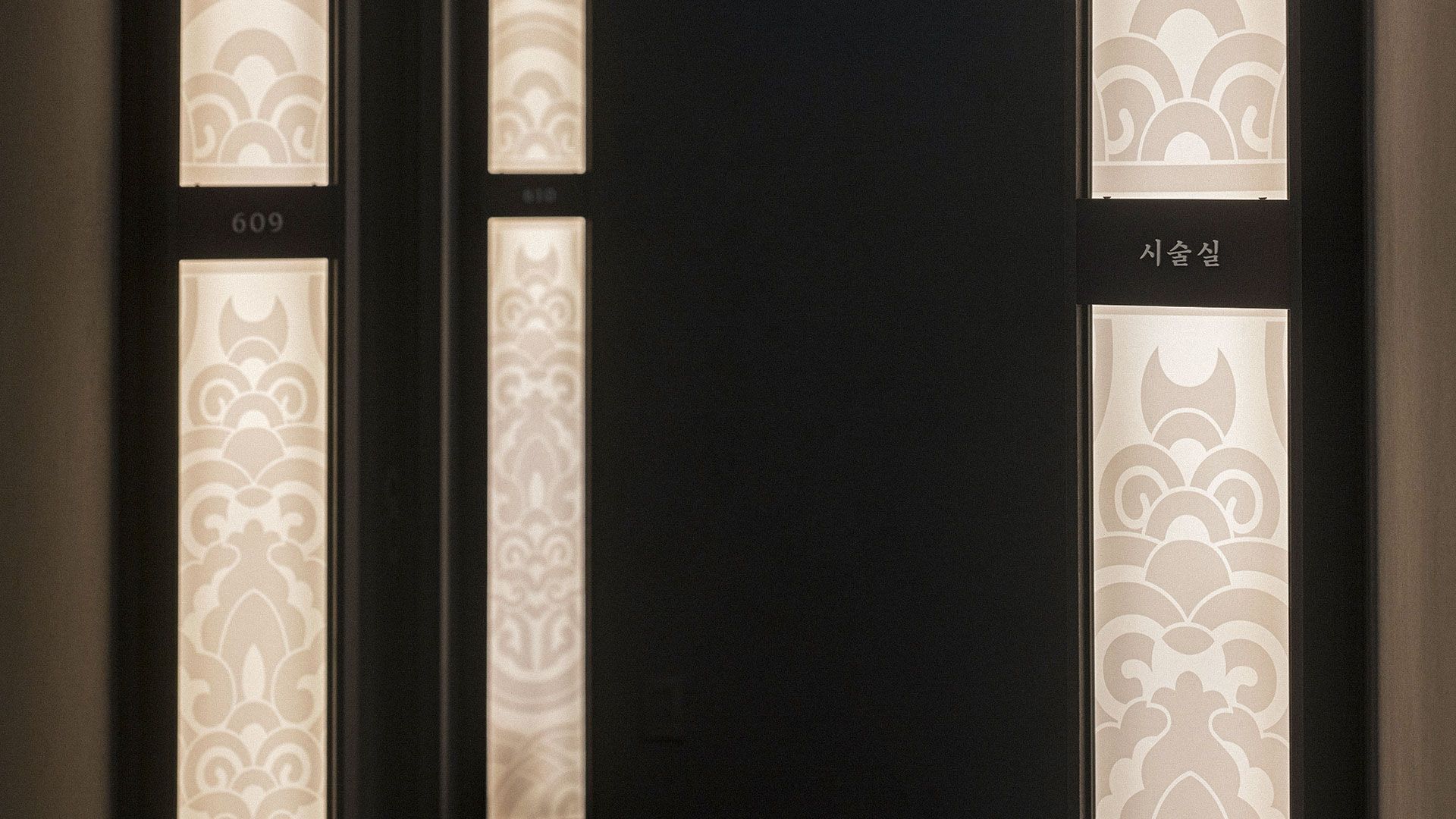
Private 1:1 treatment room doors at DayBeau Clinic Myeongdong
The private suite

One patient. One room. One physician.

Planned and performed by a physician in a private treatment room, with time to ask every question before you decide.

I.    Physician-led
Assessment, plan and treatment by a licensed doctor.

II.    Private 1:1 room
You never share a space with another patient.

III.    Genuine, certified devices
Ultherapy Prime and Thermage FLX, with tips you can inspect before treatment.

IV.    Planned around your trip
Low-downtime options timed to your flight home.

Your visit
Alopecia, step by step

01

History
We note when the loss began, whether it is patchy or diffuse, and any itching, pain, illness or family history.

02

Examination
The doctor inspects the patches and scalp, and may check hair shafts and perform a pull test.

03

Likely diagnosis
You hear which type seems most likely and what cannot be confirmed without tests or biopsy.

04

Next steps
Supportive treatment may start, or you are advised to see a hospital specialist, with notes to take with you.
Before you book

Aftercare & safety

Aftercare

  • Avoid scratching, picking or tight pulling on the scalp
  • Protect the scalp from strong sun
  • Keep a photo record of the affected patches
  • Follow specialist treatment plans consistently
  • Return promptly if patches grow or new ones appear

Safety

Injections or topical treatments for hair carry risks of tenderness, irritation or, rarely, infection, and some medicines are unsuitable in pregnancy. Treating a patch before it is diagnosed can delay care for a condition that needs specialist management, particularly scarring or autoimmune types. Thyroid and other medical associations may need testing. The physician decides whether treatment here is appropriate or referral comes first.
For international visitors
If you have a new bald patch, get it examined early in your trip and take photos and the doctor's notes home to your own specialist.
Dr. Kim Young-soo, Representative Director
Medically reviewed

Dr. Kim Young-soo

Representative Director · DayBeau Clinic Myeongdong Premium

MD, Hanyang University College of Medicine · Internship, Seoul National University Hospital. Treatments at DayBeau Myeongdong are planned and performed by our physicians.

Last reviewed: October 2026 · Meet our physicians

FAQ
Alopecia questions
Is alopecia areata contagious?
No. Alopecia areata is an autoimmune condition, not an infection, and cannot be passed on by touch or sharing combs. It is not caused by poor hygiene. Stress is often blamed, but evidence for it as a sole trigger is limited.
Will hair grow back with alopecia areata?
Often it regrows without treatment, particularly with a single small patch, though the condition can relapse and some people develop more extensive loss. A specialist can advise on treatments. Outcomes vary widely between individuals. Individual response is unpredictable, so photos and regular review help track progress.
What is the difference between alopecia and normal balding?
Normal pattern balding is one type of alopecia, called androgenetic alopecia. The word alopecia also covers autoimmune, traction and scarring types, which behave differently and need different treatment. Examination helps distinguish them. Telling them apart matters because pattern balding is gradual and symmetrical, whereas patches or scalp symptoms suggest another cause worth checking.
Can tight hairstyles cause permanent hair loss?
Yes, if tension continues for years. Early traction alopecia often recovers when the pulling stops, but long-standing traction can damage follicles permanently. Looser styles, rotating partings and avoiding heavy extensions reduce the risk. Stopping early gives follicles the best chance, so change your styling as soon as soreness appears.
Should I get a biopsy?
A biopsy is considered when the diagnosis is uncertain, or if a scarring alopecia is suspected. It is done at a hospital with pathology services, not usually in an aesthetic clinic. The doctor will explain if this is advisable. Ask us first.
Can DayBeau treat alopecia areata?
Our role is assessment and referral. Because alopecia areata is autoimmune and may need prescription therapy under specialist care, we generally direct patients to a hospital department, while supporting scalp health and answering your questions. We can advise on which department to visit.
Visiting Seoul?
Book Alopecia before you fly

Send your concern and travel dates. Our team replies with suitable options and available times.

6F Semicolon Myeongdong, 90 Namdaemun-ro, Jung-gu, Seoul · Open daily 10:00–20:00