Home  /  Laser Treatments  /  CO2 Laser

Ablative · Resurfacing

CO2 Laser in Myeongdong for resurfacing and lesion removal

CO2 laser vaporises thin layers of skin with precision, used for deeper resurfacing and removing small benign growths. It involves real healing time, so planning around travel matters.
15–60 minutes
Treatment time
Typically 5 to 10 days
Downtime
Cream or local anaesthetic
Numbing
Final look in 1–3 months
Results
Quick answer
What is CO2 laser used for?
A CO2 laser is an ablative laser that vaporises tiny amounts of tissue. It is used for deeper skin resurfacing, scars and wrinkles, and for removing small benign lesions such as skin tags or warts. At DayBeau Clinic Myeongdong Premium a physician must assess any mole or pigmented lesion before removal.
At a glance
CO2 Laser key facts
Treatment time
15–60 minutes
Downtime
Typically 5 to 10 days
Numbing
Cream or local anaesthetic
Results
Final look in 1–3 months
Duration
Varies by indication
Sessions
Often 1 to 3

Typical ranges. Your physician confirms what is right for you after an in-person assessment.

Overview
How CO2 laser works

CO2 laser energy is absorbed by water in the skin, vaporising thin layers with accuracy. When used in a fractional pattern, it treats thousands of tiny columns and leaves bridges of intact skin, which heal faster than full-surface resurfacing. The heat also tightens tissue and drives new collagen over the following months.

For lesion removal, a focused beam can vaporise small, benign growths such as skin tags, some warts and certain raised spots. In that case removal of the lesion itself can be lasting, though new ones may appear. Moles and pigmented growths are different: they should be examined first, and anything suspicious needs biopsy or referral because laser vaporisation leaves no sample for pathology.

Recovery is more involved than with non-ablative lasers. Expect redness, swelling, oozing or crusting, and pink skin lasting weeks. Asian and darker skin have a higher risk of post-inflammatory darkening, and melasma can worsen. Your physician weighs depth, density and timing carefully, and may suggest gentler fractional or RF options when downtime is a concern.

Who it helps

  • Small benign raised lesions
  • Skin tags and some warts
  • Deeper acne scars and wrinkles
  • Rough, sun-damaged texture
  • People able to allow a week to heal
Areas & combinations
How we tailor CO2 Laser

01  Skin tag and wart removal

Spot treatment of small benign lesions, with assessment beforehand. Discover →

02  Fractional CO2 resurfacing

For deeper lines, scars and texture when you can allow downtime. Discover →

03  Raised sun-related spots

Removal of benign raised age-related lesions after examination. Discover →

04  Mole assessment

Physician review and, where appropriate, biopsy before any removal. Discover →

05  Gentler alternatives

Non-ablative fractional laser for lighter downtime. Discover →
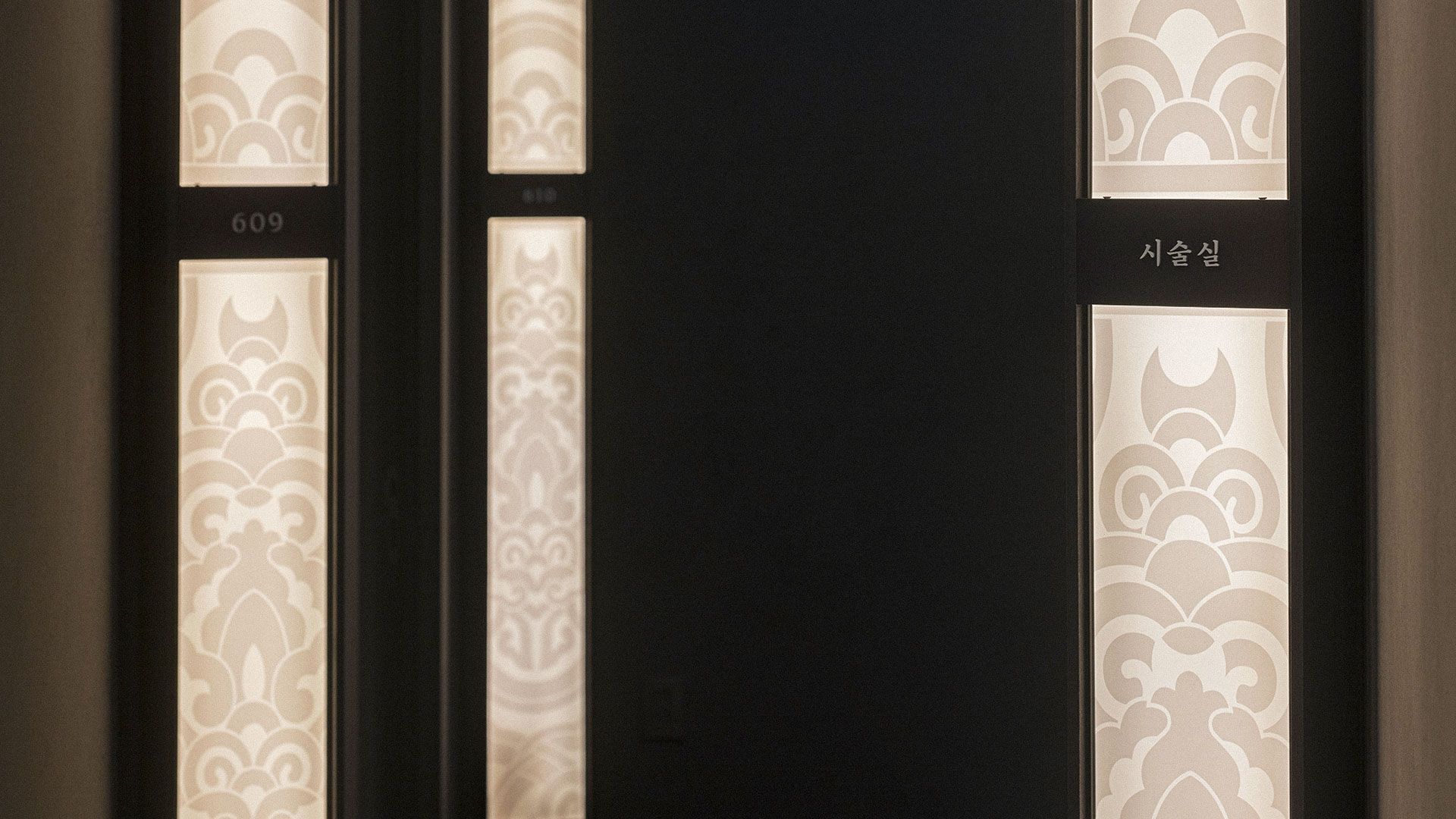
Private 1:1 treatment room doors at DayBeau Clinic Myeongdong
The private suite

One patient. One room. One physician.

Planned and performed by a physician in a private treatment room, with time to ask every question before you decide.

I.    Physician-led
Assessment, plan and treatment by a licensed doctor.

II.    Private 1:1 room
You never share a space with another patient.

III.    Genuine, certified devices
Ultherapy Prime and Thermage FLX, with tips you can inspect before treatment.

IV.    Planned around your trip
Low-downtime options timed to your flight home.

Your visit
CO2 Laser, step by step

01

Assessment
Your physician examines the lesion or skin area, and refers or biopsies anything suspicious instead of lasering it.

02

Anaesthesia
Numbing cream or a small local anaesthetic injection is used according to the area and technique.

03

Laser treatment
The CO2 beam is directed precisely, either removing a small lesion or resurfacing in a fractional pattern.

04

Wound care
A healing ointment and dressing are applied, with written care steps and a follow-up check.
Before you book

Aftercare & safety

Aftercare

  • Keep treated skin moist with the ointment provided
  • Do not pick crusts; let them separate on their own
  • Use SPF 50 and avoid direct sun until fully healed
  • Avoid swimming, saunas and heavy sweating for at least a week
  • Contact the clinic for spreading redness, pus or fever

Safety

Expect redness, swelling, oozing and crusting; healing can take one to two weeks, with pinkness lasting longer. Risks include infection, cold-sore flare, scarring, lightening or darkening of the skin, and worsening of melasma. Avoid in pregnancy, active infection, recent isotretinoin without doctor approval, or tanned skin. Moles and unusual pigmented lesions require physician assessment, and biopsy or referral where appropriate, before any removal.
For international visitors
Allow at least 7 to 10 days of healing before flying or going out in strong sun, start early in your stay, and ask your doctor whether a gentler laser would suit a shorter trip.
Dr. Kim Young-soo, Representative Director
Medically reviewed

Dr. Kim Young-soo

Representative Director · DayBeau Clinic Myeongdong Premium

MD, Hanyang University College of Medicine · Internship, Seoul National University Hospital. Treatments at DayBeau Myeongdong are planned and performed by our physicians.

Last reviewed: October 2026 · Meet our physicians

FAQ
CO2 Laser questions
How long is the downtime after CO2 laser?
Small lesion removal usually forms a scab that heals over about one to two weeks. Fractional resurfacing typically means 5 to 10 days of crusting and redness, with pinkness lasting longer. Downtime depends on the depth and density used, so ask your doctor what is expected for your treatment.
Can CO2 laser remove moles?
CO2 laser can remove some benign moles, but only after a physician has examined them. Any mole that is changing, irregular, dark, bleeding or itchy needs assessment and possibly biopsy or referral, because vaporising it destroys the sample needed for diagnosis. Never remove a suspicious mole by laser without testing.
Does CO2 laser leave scars?
It can if the wound is deep, becomes infected, is picked, or if you scar easily, though careful technique and aftercare minimise this. Pigment changes such as darkening or lightening are more common than true scarring. Tell your doctor about keloid or poor wound healing history.
CO2 laser or Fraxel: which is stronger?
CO2 is generally stronger because it removes tissue, so it can improve deeper lines and scars more but with longer recovery and greater pigment risk. Fraxel is gentler and requires more sessions. A physician chooses based on your goals, skin tone and how many recovery days your trip allows.
Is CO2 laser suitable for dark skin?
It can be used, but post-inflammatory hyperpigmentation is more likely in Asian and darker skin, so doctors use cautious settings, test areas and strict sun avoidance. Some patients are steered toward gentler fractional or RF microneedling options instead. Discuss your tanning, melasma and healing history openly.
Will warts or skin tags come back after CO2 removal?
A removed skin tag does not regrow in the same spot, but new ones can form elsewhere. Warts are caused by a virus and can recur after removal, sometimes needing repeat treatment. A physician will confirm the diagnosis first and tell you how likely recurrence is for your lesion.
Visiting Seoul?
Book CO2 Laser before you fly

Send your concern and travel dates. Our team replies with suitable options and available times.

6F Semicolon Myeongdong, 90 Namdaemun-ro, Jung-gu, Seoul · Open daily 10:00–20:00