Home  /  Medical Dermatology  /  Eczema

Eczema · Skin Barrier

Eczema Care in Myeongdong calm, assessed and realistically managed

Eczema is a long-term condition that flares and settles. A DayBeau physician in Myeongdong can examine your skin, separate eczema from look-alikes, and outline a practical plan for your trip and for home.
Dryness, irritants, stress
Common triggers
Emollients, topicals
Typical options
Long-term, flares and calms
Course
20-30 minutes
Visit length
Quick answer
What is eczema and can it be treated in Seoul?
Eczema, or atopic dermatitis, is a chronic inflammatory skin condition causing dry, itchy, red patches. It cannot be cured, but flares can be controlled. At DayBeau Myeongdong in Seoul, a physician assesses the rash, advises on barrier care, and refers severe or infected cases to a hospital.
At a glance
Eczema key facts
Common triggers
Dryness, irritants, stress
Typical options
Emollients, topicals
Course
Long-term, flares and calms
Visit length
20-30 minutes
Downtime
None
Refer when
Infected, severe, widespread

Typical ranges. Your physician confirms what is right for you after an in-person assessment.

Overview
What eczema is and how it is assessed

Eczema describes a group of inflammatory skin conditions in which the skin barrier is weak and the immune response is overactive. Typical signs are dryness, itching, redness and sometimes cracking or weeping. It often runs in families with asthma or hay fever, but adults can develop it too. It may also flare with stress or climate.

Several conditions look similar, including contact dermatitis, fungal infection, psoriasis and scabies. A physician looks at the distribution, the history and what you have recently used on the skin. Where the diagnosis is unclear, patch testing or skin scraping at a hospital may be suggested. Telling the doctor about itch at night helps narrow things down.

In an aesthetic clinic the focus is practical and conservative: identify likely triggers, repair the barrier with suitable moisturising routines, and use appropriate topical treatment where the doctor considers it safe. Moderate to severe disease usually needs ongoing medical care, which is better provided by a hospital specialist. Sleep loss from itching is one marker of severity.

Who it helps

  • Dry, itchy patches on hands, elbows or knees
  • Flares triggered by travel, climate change or hotel soaps
  • Adults unsure whether a rash is eczema or something else
  • Patients wanting a barrier-care routine for the trip
  • Anyone whose current cream no longer seems to work
Areas & combinations
How we tailor Eczema

01  Barrier repair routine

Regular fragrance-free emollients and gentle cleansing to reduce dryness and flare frequency.

02  Trigger review

Looking at soaps, fragrances, hot water, sweat, fabrics and stress that may set off flares.

03  Topical medicines

Anti-inflammatory creams may be advised by the physician for short periods, according to their assessment.

04  Hospital referral

Widespread, infected, sleep-disturbing or treatment-resistant eczema is referred for specialist care.

05  Cosmetic treatment timing

Lasers and peels are usually delayed until active eczema has settled in the area.
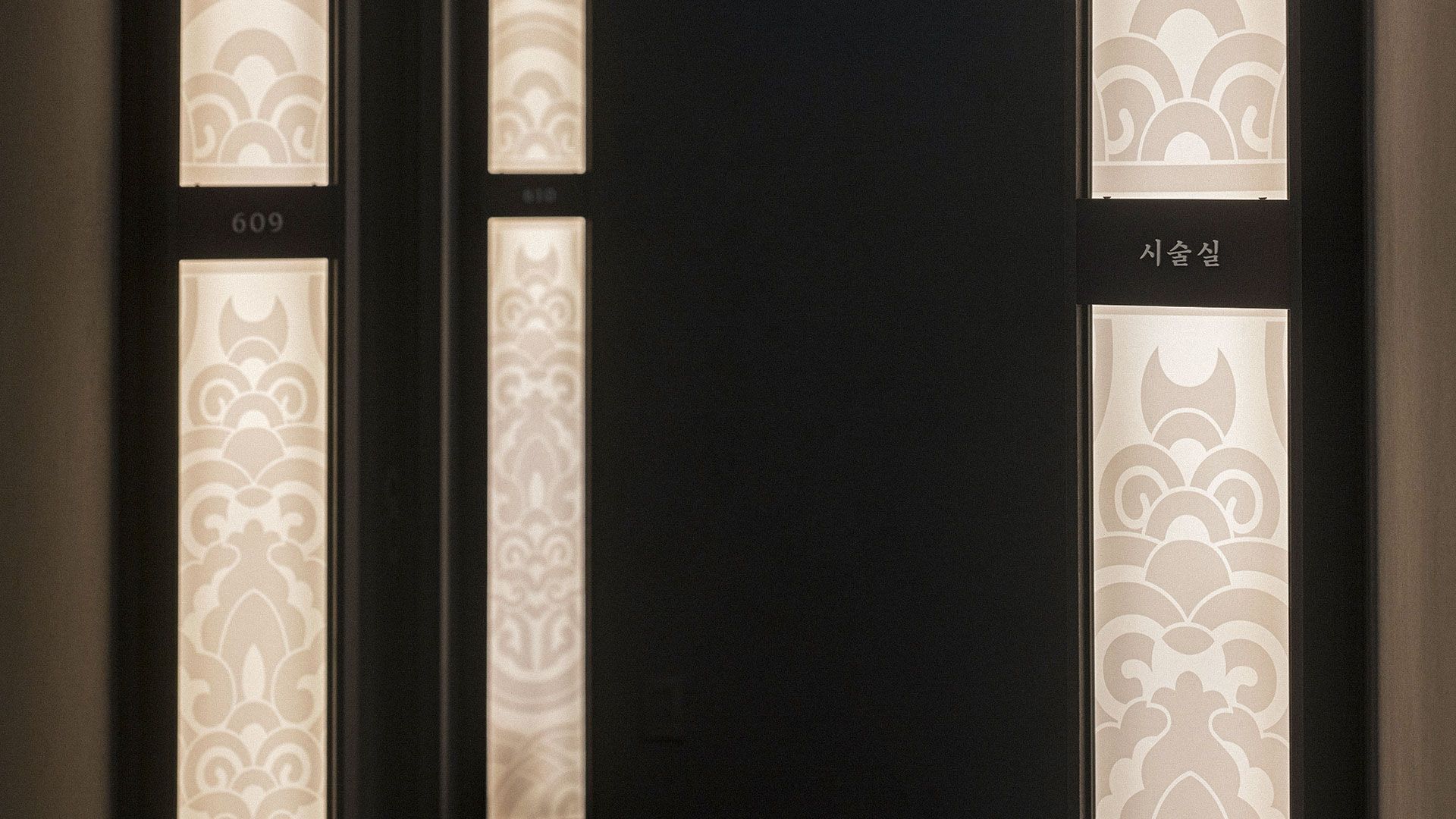
Private 1:1 treatment room doors at DayBeau Clinic Myeongdong
The private suite

One patient. One room. One physician.

Planned and performed by a physician in a private treatment room, with time to ask every question before you decide.

I.    Physician-led
Assessment, plan and treatment by a licensed doctor.

II.    Private 1:1 room
You never share a space with another patient.

III.    Genuine, certified devices
Ultherapy Prime and Thermage FLX, with tips you can inspect before treatment.

IV.    Planned around your trip
Low-downtime options timed to your flight home.

Your visit
Eczema, step by step

01

History
The doctor asks when it started, what makes it worse, family history, allergies and everything you apply to the skin.

02

Examination
The affected skin is inspected for dryness, inflammation, thickening and signs of infection.

03

Plan
You are given a skin-care routine and, if appropriate, topical treatment guidance, with clear red-flag signs to watch for.

04

Follow-up or referral
If the condition needs ongoing or specialist care, we explain this and how to continue at home.
Before you book

Aftercare & safety

Aftercare

  • Moisturise at least twice daily with a fragrance-free emollient
  • Use lukewarm rather than hot water and short showers
  • Avoid scratching and keep nails short
  • Patch test new products on a small area first
  • Use sunscreen suitable for sensitive skin on exposed areas

Safety

Topical anti-inflammatory medicines can thin the skin or cause irritation if used wrongly, so use only as directed. Eczema skin is prone to infection; yellow crusts, pus, fever or rapid worsening need prompt medical attention. Children, pregnancy and breastfeeding need special consideration. Cosmetic procedures are avoided on actively inflamed skin. The physician decides what is suitable and when a hospital specialist should take over.
For international visitors
Pack your usual moisturiser and any prescribed creams in original packaging, expect drier air and hard water to affect your skin, and book a visit early if a flare begins.
Dr. Kim Young-soo, Representative Director
Medically reviewed

Dr. Kim Young-soo

Representative Director · DayBeau Clinic Myeongdong Premium

MD, Hanyang University College of Medicine · Internship, Seoul National University Hospital. Treatments at DayBeau Myeongdong are planned and performed by our physicians.

Last reviewed: October 2026 · Meet our physicians

FAQ
Eczema questions
Can eczema be cured?
No. Eczema is a long-term condition that tends to flare and settle, and many children improve with age. Flares can usually be controlled with consistent barrier care and, when needed, medicines. The aim of treatment is fewer, milder flares rather than a permanent cure.
How do I know if my rash is eczema or something else?
You cannot tell reliably by sight alone. Fungal infections, contact allergy, psoriasis and scabies can all look similar. A physician considers the pattern, history and itch, and may suggest a scraping or patch test before recommending treatment. Bring photos of earlier flares.
Why does my eczema flare when I travel?
Travel changes humidity, water hardness, soaps, sleep, stress and sun exposure, all common triggers. Heating and air conditioning dry the skin. Keeping a consistent moisturising routine, avoiding unfamiliar fragranced products and showering briefly with lukewarm water usually helps. Packing your own emollient is sensible.
Can I have laser or facial treatments with eczema?
Not on skin with active eczema, because heat and irritation can worsen it. Once the area has been calm for a while, the doctor may consider gentle treatments. Sensitive skin often needs a trial on a small area first. Gentle approaches may be possible.
Do I need a steroid cream?
Sometimes. Short courses of topical anti-inflammatory medicine are a standard part of managing flares, but strength, site and duration matter. The physician advises after examining the skin. Do not use strong products on the face or folds without medical guidance.
When should I go to a hospital instead?
Go to a hospital if the rash covers large areas, oozes or crusts, comes with fever, disrupts sleep, affects the eyes, or has not improved with proper care. A specialist can offer tests and treatments beyond what an aesthetic clinic provides.
Visiting Seoul?
Book Eczema before you fly

Send your concern and travel dates. Our team replies with suitable options and available times.

6F Semicolon Myeongdong, 90 Namdaemun-ro, Jung-gu, Seoul · Open daily 10:00–20:00