Home  /  Laser Treatments  /  Sun Spot Removal

Sun Damage · Lentigines

Sun Spot Removal in Myeongdong checked first, treated carefully

Sun spots build up from years of ultraviolet exposure. Our Seoul physicians examine each mark before treatment, then use pigment lasers to fade the harmless ones and flag any that need testing.
Years of UV exposure
Common causes
Pico laser, SPF
Typical options
Often 1 to 2
Sessions
Crusts 5–10 days
Downtime
Quick answer
What are sun spots and how are they removed?
Sun spots, or solar lentigines, are flat brown marks caused by cumulative ultraviolet exposure. Harmless ones can usually be faded with pigment lasers such as pico laser. At DayBeau Clinic Myeongdong Premium, a physician examines each spot first, because irregular or changing marks need assessment before any laser treatment.
At a glance
Sun Spot Removal key facts
Common causes
Years of UV exposure
Typical options
Pico laser, SPF
Sessions
Often 1 to 2
Downtime
Crusts 5–10 days
First step
Physician spot check
Prevention
SPF 50, hat, shade

Typical ranges. Your physician confirms what is right for you after an in-person assessment.

Overview
How sun spots are assessed and treated

Sun spots, called solar lentigines, form where ultraviolet light has repeatedly stimulated melanocytes in the same area. Unlike freckles they do not fade in winter, and they tend to be larger and darker. They are common on the cheeks, temples, hands and chest, and they usually start appearing in adulthood.

Before treating, a physician inspects each spot for features that should prompt a closer look: uneven colour, ragged edges, rapid change, raised or crusted surfaces, or bleeding. A flat, uniform spot is typically safe to treat with laser. A suspicious one may need dermoscopy, biopsy or referral first, and treating it prematurely could hide an early diagnosis.

For benign spots, pico laser breaks pigment into fragments the body removes. The spot darkens, forms a fine crust and sheds in about a week or so, leaving a lighter patch beneath. One or two sessions often suffice for clear spots. Without sun protection, new spots will keep forming, so sunscreen and hats are central to keeping results.

Who it helps

  • Well-defined brown spots on cheeks or temples
  • Marks that appeared after outdoor summers
  • Spots on the hands or chest
  • Evenly coloured, flat lesions
  • Adults who can strictly protect from sun
Areas & combinations
How we tailor Sun Spot Removal

01  Pico laser

Focused pulses on each spot, usually with a short crusting phase. Discover →

02  Pico toning

Mild full-face sessions to ease surrounding discolouration after spots are treated. Discover →

03  CO2 laser for raised lesions

Used instead when a spot is actually a raised benign growth, such as a seborrhoeic keratosis. Discover →

04  Mole assessment

Physician review of dark or changing lesions before any laser decision. Discover →

05  Age spot care

Plans for broader, long-standing sun damage. Discover →
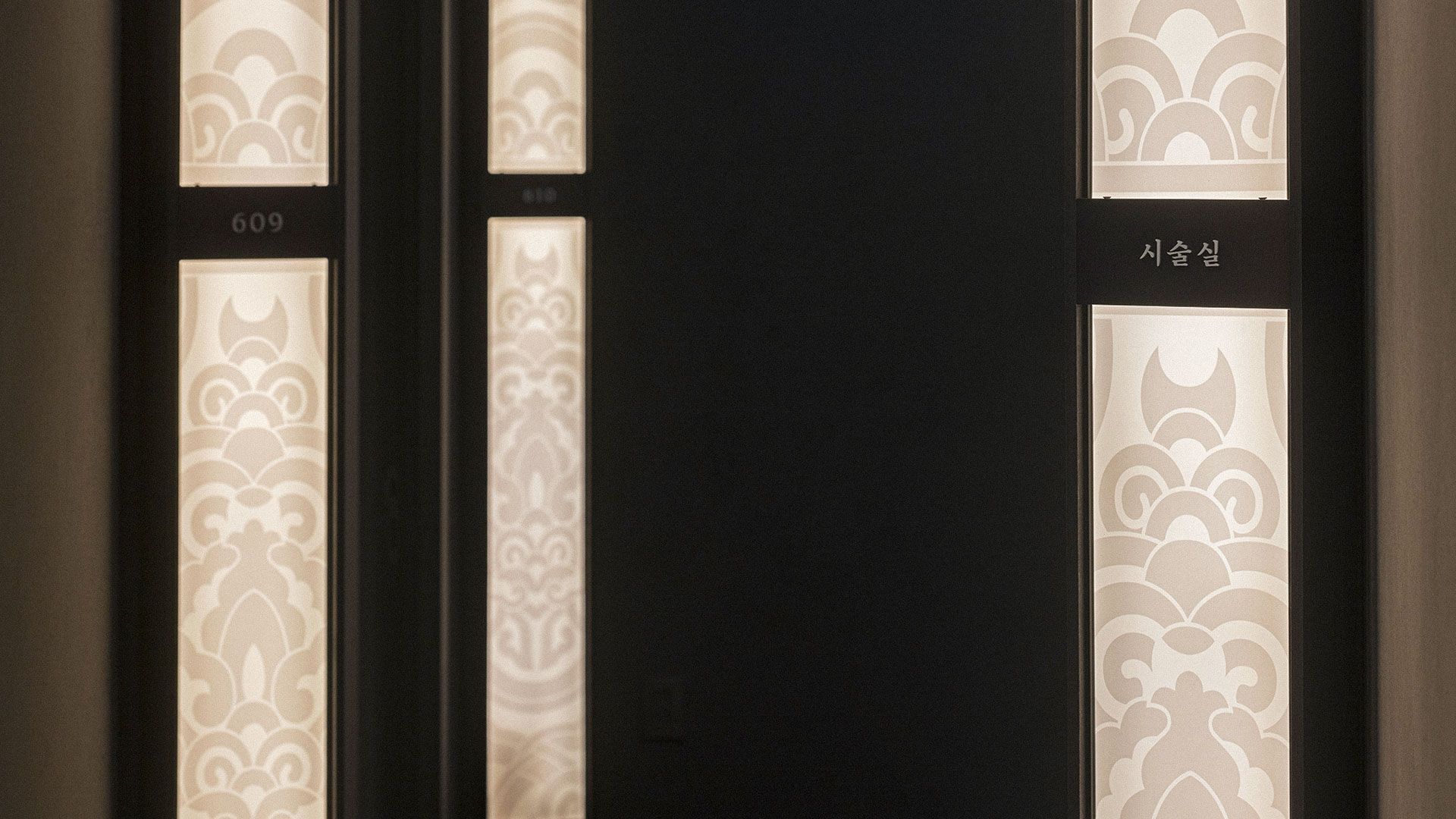
Private 1:1 treatment room doors at DayBeau Clinic Myeongdong
The private suite

One patient. One room. One physician.

Planned and performed by a physician in a private treatment room, with time to ask every question before you decide.

I.    Physician-led
Assessment, plan and treatment by a licensed doctor.

II.    Private 1:1 room
You never share a space with another patient.

III.    Genuine, certified devices
Ultherapy Prime and Thermage FLX, with tips you can inspect before treatment.

IV.    Planned around your trip
Low-downtime options timed to your flight home.

Your visit
Sun Spot Removal, step by step

01

Spot assessment
A physician examines each lesion, possibly with a dermoscope, and separates harmless sun spots from marks needing further tests.

02

Skin preparation
Skin is cleaned, eyes are protected and numbing cream may be used.

03

Laser pulses
Each spot is treated with precise pulses; you may feel brief stinging.

04

Care plan
A protective cream and sunscreen are applied, with instructions for the crusting phase and follow-up timing.
Before you book

Aftercare & safety

Aftercare

  • Apply SPF 50 daily and wear a wide-brimmed hat outdoors
  • Do not pick crusts; let them shed in 5 to 10 days
  • Keep the area moisturised and clean
  • Avoid hot baths, saunas and strenuous sweating for a few days
  • Book a recheck if a spot returns darker or changes

Safety

Possible effects include redness, swelling, crusting, temporary darkening, lighter patches and, rarely, scarring or infection. Darker skin and recent tanning raise the risk of uneven pigmentation. Treatment should be deferred in pregnancy, with active infection, or while taking photosensitising drugs. Any spot that is asymmetrical, multicoloured, growing, raised, itchy or bleeding must be assessed by a physician, possibly with biopsy, before laser is considered.
For international visitors
Plan sun spot treatment for the first days of your stay so crusts shed before departure, and avoid beaches, ski slopes or long outdoor days without SPF 50 for several weeks afterwards.
Dr. Kim Young-soo, Representative Director
Medically reviewed

Dr. Kim Young-soo

Representative Director · DayBeau Clinic Myeongdong Premium

MD, Hanyang University College of Medicine · Internship, Seoul National University Hospital. Treatments at DayBeau Myeongdong are planned and performed by our physicians.

Last reviewed: October 2026 · Meet our physicians

FAQ
Sun Spot Removal questions
How long do sun spots take to disappear after laser?
Treated spots usually darken within a day, form a fine crust and fall off over roughly 5 to 10 days, leaving pink or lighter skin that settles over a few weeks. Deeper spots may need a second session after about a month. Healing varies between people and body areas.
Can a sun spot be skin cancer?
Most sun spots are benign, but some early skin cancers, including lentigo maligna, can look like a flat brown mark. Features such as irregular borders, multiple shades, change over time or a spot that is darker than neighbours warrant medical assessment and possibly biopsy before any laser.
Is sun spot removal the same as mole removal?
No. Sun spots are flat patches of extra pigment in the epidermis, while moles are clusters of pigment cells that may be raised or deeper. Treating a mole with pigment laser is generally not appropriate. If you are unsure which you have, a physician can tell you.
Can I use laser on sun spots on my hands?
Yes, hand spots respond to pico laser similarly, but hand skin is thinner, heals more slowly and is often sun-exposed, so crusts may last longer. Sunscreen on the backs of the hands is important afterwards. Your doctor will set energy accordingly and explain what healing to expect.
Will laser for sun spots make my skin lighter in that spot?
A treated spot may look slightly lighter or pink for weeks while it settles, then usually blends with surrounding skin. In some people, particularly with strong settings or darker skin, lasting lightening can occur. Conservative energy, test spots and sunscreen reduce this risk.
What is the difference between sun spots and age spots?
They are largely the same thing. Age spots is a popular term for sun-related lentigines that appear with age, while sun spots emphasises their cause. Both are flat, brown and caused by cumulative sun exposure. A physician still checks each one since other lesions can mimic them.
Visiting Seoul?
Book Sun Spot Removal before you fly

Send your concern and travel dates. Our team replies with suitable options and available times.

6F Semicolon Myeongdong, 90 Namdaemun-ro, Jung-gu, Seoul · Open daily 10:00–20:00