Home  /  Medical Dermatology  /  Rosacea

Condition · Medical Care

Rosacea in Myeongdong understood, triggers managed

Rosacea is a long-term inflammatory skin condition that causes flushing, redness and sometimes bumps. This guide explains causes, triggers, daily skincare and when to see a doctor, with overall options for visitors in Seoul.
Genetics, vessels, triggers
Common causes
Skincare, medication, light
Typical options
Long-term, flares and calm
Course
None for skincare
Downtime
Quick answer
What causes rosacea?
The exact cause of rosacea is not fully understood, but it involves overactive blood vessels, skin inflammation and an immune response, with genetics and triggers such as sun, heat, alcohol and stress playing a part. At DayBeau Clinic Myeongdong, physicians help identify triggers and build a long-term management plan.
At a glance
Rosacea key facts
Common causes
Genetics, vessels, triggers
Typical options
Skincare, medication, light
Course
Long-term, flares and calm
Downtime
None for skincare
Control
Weeks to see change
Worst season
Summer and winter heat

Typical ranges. Your physician confirms what is right for you after an in-person assessment.

Overview
What rosacea is and how it behaves

Rosacea usually appears in adults, most often on fair skin, though it occurs in all skin tones and may be under-recognised in darker skin. It tends to follow a cycle of flares and calmer periods. Features can include flushing, persistent redness, visible vessels, bumps and, in some people, eye irritation or thickened skin on the nose.

Common triggers are sunlight, hot drinks and spicy food, alcohol, hot baths or saunas, intense exercise, strong skincare actives and emotional stress. Triggers differ person to person, so keeping a simple diary for a few weeks often reveals your own pattern. Rosacea is not caused by poor hygiene and is not contagious.

Management usually has layers: gentle skincare with daily sunscreen, medication where a doctor sees fit, and vascular light for the visible redness. For the laser and IPL-type sessions themselves, see our rosacea treatment page. Here we focus on diagnosis, daily control and knowing when to seek help.

Who it helps

  • Flushing that comes with heat, alcohol or stress
  • Persistent redness across the central face
  • Small pimple-like bumps without blackheads
  • Burning or stinging when applying products
  • Anyone unsure whether it is rosacea, acne or irritation
Areas & combinations
How we tailor Rosacea

01  Gentle skincare and daily sunscreen

A short routine of mild cleanser, moisturiser and mineral-leaning SPF is the foundation of control.

02  Trigger identification

A physician reviews your flushing pattern and helps you avoid or reduce personal triggers.

03  Prescription topical or oral medication

Where appropriate, medication can reduce redness, bumps and inflammation.

04  Vascular laser or light sessions

Used for lasting redness and visible vessels once the skin is calm. Discover →

05  Barrier support and soothing facials

Gentle, non-stripping care for sensitive skin, chosen only after physician review. Discover →
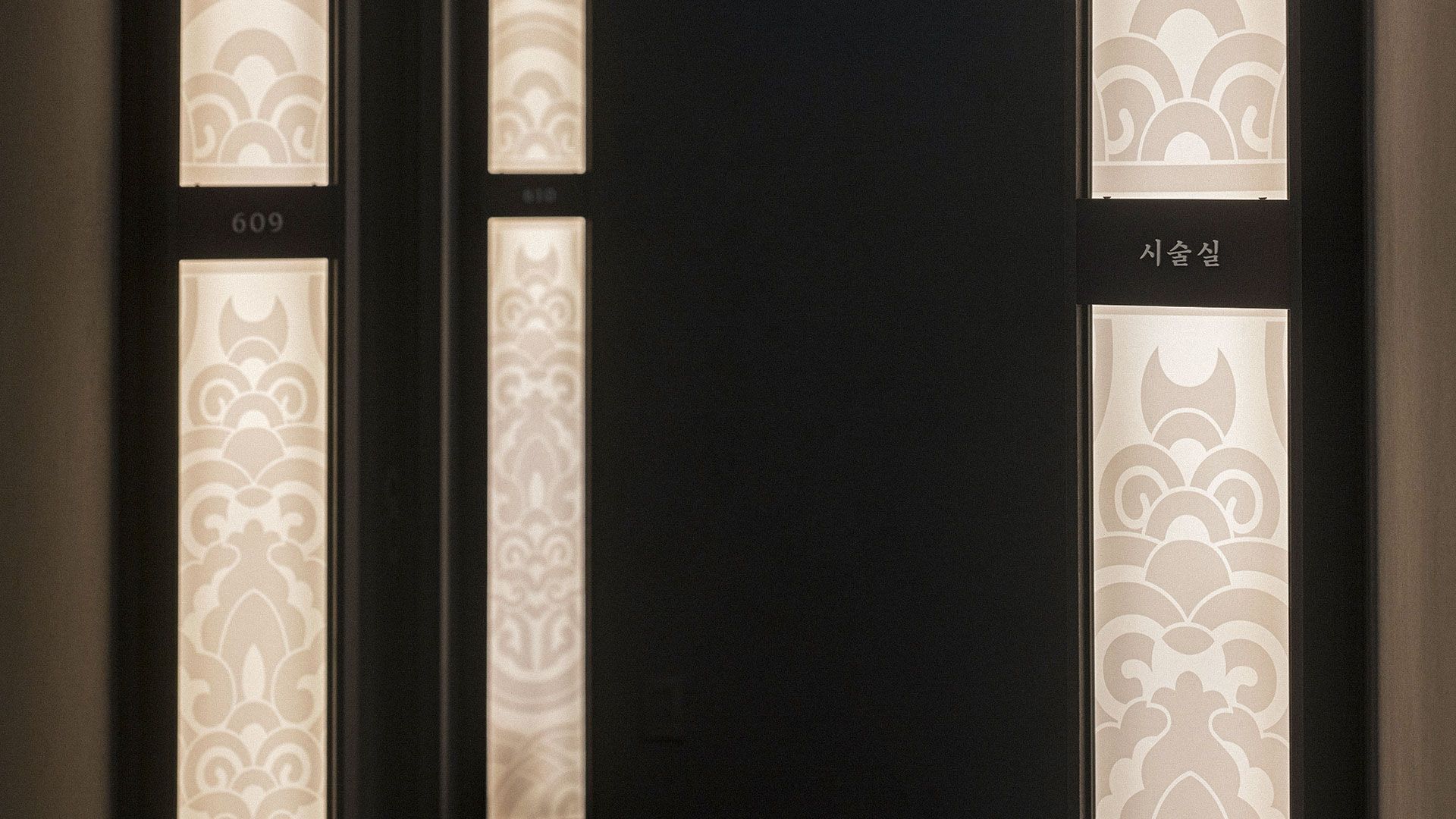
Private 1:1 treatment room doors at DayBeau Clinic Myeongdong
The private suite

One patient. One room. One physician.

Planned and performed by a physician in a private treatment room, with time to ask every question before you decide.

I.    Physician-led
Assessment, plan and treatment by a licensed doctor.

II.    Private 1:1 room
You never share a space with another patient.

III.    Genuine, certified devices
Ultherapy Prime and Thermage FLX, with tips you can inspect before treatment.

IV.    Planned around your trip
Low-downtime options timed to your flight home.

Your visit
Rosacea, step by step

01

Consultation
The physician asks about flushing, burning, eye symptoms, triggers and everything you currently put on your skin.

02

Examination
Redness, bumps and vessels are examined, and other conditions such as acne, eczema or lupus-like rashes are considered.

03

Plan
You receive a skincare routine, medication if suitable, and advice on whether vascular light is worthwhile.

04

Follow-up
Progress is reviewed and visitors are given a plan they can continue at home after leaving Seoul.
Before you book

Aftercare & safety

Aftercare

  • Wear SPF 50 every day, including cloudy days
  • Use lukewarm, never hot, water on the face
  • Introduce one new product at a time
  • Avoid scrubs, alcohol toners and menthol or camphor products
  • Note flare triggers in a phone diary

Safety

Rosacea medicines can cause dryness, stinging, stomach upset or other effects depending on the drug, and some oral options are not suitable in pregnancy or breastfeeding. Self-treating with steroid creams can worsen rosacea and should be avoided. A physician should rule out look-alike conditions first, and eye symptoms such as pain, grittiness or blurred vision need prompt medical review.
For international visitors
Travel itself can trigger flares through heat, alcohol and new products, so keep your routine minimal during your Seoul visit and pack a mineral SPF and a reliable fragrance-free moisturiser.
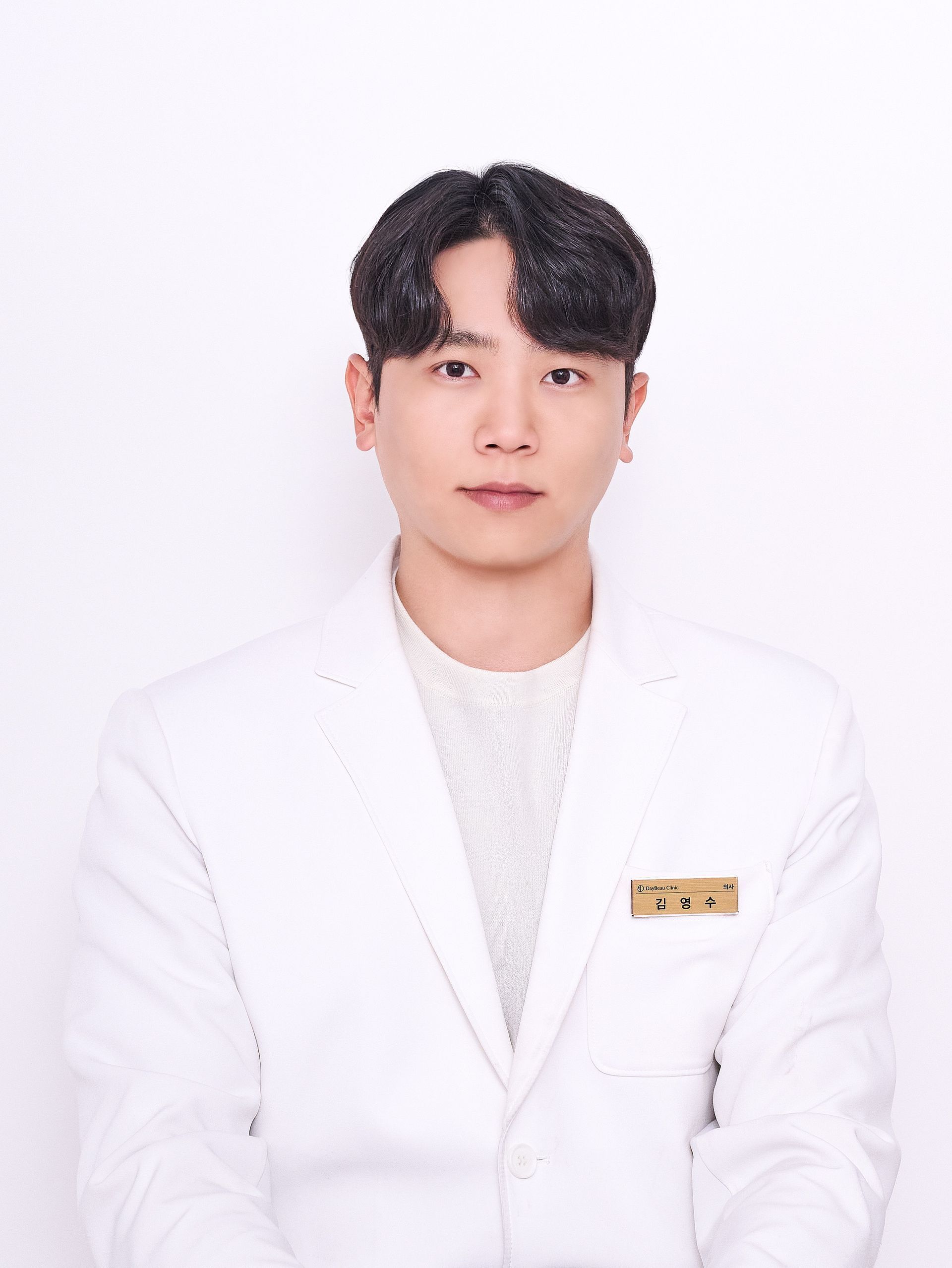
Dr. Kim Young-soo, Representative Director
Medically reviewed

Dr. Kim Young-soo

Representative Director · DayBeau Clinic Myeongdong Premium

MD, Hanyang University College of Medicine · Internship, Seoul National University Hospital. Treatments at DayBeau Myeongdong are planned and performed by our physicians.

Last reviewed: October 2026 · Meet our physicians

FAQ
Rosacea questions
Is rosacea curable?
Rosacea is considered a long-term condition with no cure, but it is very manageable. Skincare, trigger control, medication and light treatment can reduce redness, bumps and flares, often for long periods. Results vary, and symptoms can return, so the goal is steady control rather than permanent removal.
How do I tell rosacea from acne?
Rosacea mainly affects the central face with flushing, persistent redness and bumps but typically no blackheads or whiteheads, while acne involves comedones. They can coexist. Because treatments differ, and some acne products worsen rosacea, a physician examination is the reliable way to distinguish them.
What foods make rosacea worse?
Trigger foods are individual, but hot drinks, spicy dishes and alcohol are the most commonly reported. Korean cuisine can be spicy, so visitors with rosacea may want to choose milder dishes and let soup cool. Keeping a diary shows which items actually affect you.
Can rosacea affect the eyes?
Yes. Ocular rosacea can cause dryness, burning, a gritty feeling, red eyelids or recurrent styes. It sometimes appears without obvious facial redness. Eye pain, vision changes or marked light sensitivity need urgent medical attention, and eye symptoms are worth mentioning at any rosacea consultation.
Is rosacea caused by Demodex mites?
Demodex mites live on most adult skin, and higher numbers are found in some people with rosacea, so they may contribute to inflammation. Their exact role is still being studied. A physician will not diagnose from mites alone and decides on treatment from your overall signs.
When should I see a doctor for rosacea?
See a doctor if redness persists beyond a few weeks, bumps appear, skin burns or stings, or your eyes feel irritated. Seek urgent care for eye pain or vision change. Visitors to Seoul can book a consultation at our Myeongdong clinic via WhatsApp.
Visiting Seoul?
Book Rosacea before you fly

Send your concern and travel dates. Our team replies with suitable options and available times.

6F Semicolon Myeongdong, 90 Namdaemun-ro, Jung-gu, Seoul · Open daily 10:00–20:00