Home  /  Laser Treatments  /  Facial Redness

Redness · Calming Care

Facial Redness Treatment in Myeongdong find the cause, then calm it

Redness that does not fade can come from visible vessels, a damaged skin barrier, rosacea or lingering inflammation. Our Myeongdong physicians identify the pattern first, so the plan matches the real cause.
Vessels, barrier, rosacea
Common causes
Skincare, medication, laser
Typical options
30-45 min consult
Visit length
None to a few days
Downtime
Quick answer
What causes facial redness that will not go away?
Persistent facial redness is usually caused by dilated surface vessels, an irritated or thinned skin barrier, rosacea, or leftover inflammation from acne. At DayBeau Clinic Myeongdong, a physician examines the pattern of redness, then chooses between skincare changes, medication or vascular-targeted light and laser treatment.
At a glance
Facial Redness key facts
Common causes
Vessels, barrier, rosacea
Typical options
Skincare, medication, laser
Visit length
30-45 min consult
Downtime
None to a few days
Sessions
Often several, spaced apart
Best season
Autumn to spring

Typical ranges. Your physician confirms what is right for you after an in-person assessment.

Overview
Why the face stays red

Redness has several separate mechanisms that look similar in a mirror. Tiny surface vessels can stay dilated and show through thin skin. A weakened barrier lets irritants in and keeps the skin inflamed. Rosacea adds flushing and sometimes bumps. After acne or a peel, the skin can stay pink for weeks while it repairs.

Because the causes differ, the treatments differ. Flat, even pinkness often responds to barrier repair and gentle anti-inflammatory products. Fine visible lines are typically addressed with vascular-targeted light or laser. Redness with burning, bumps or flares may need a rosacea-focused plan, sometimes with prescription medication.

A physician at our Myeongdong clinic looks at distribution, triggers and your current products during a private consultation. That matters for international visitors, who often arrive using many new actives at once. Sometimes the first and most useful step is simply to stop what is irritating the skin.

Who it helps

  • Cheeks or nose that stay pink all day
  • Skin that flushes with heat, spicy food or alcohol
  • Redness after over-exfoliating or harsh products
  • Visible fine red lines around the nose or cheeks
  • Travellers who want a clear plan before a Seoul skincare routine
Areas & combinations
How we tailor Facial Redness

01  Barrier repair and simplified routine

Pausing strong actives and using gentle cleansers, moisturisers and daily sunscreen often reduces irritation-driven redness.

02  Prescription topical or oral medication

Where a physician judges it appropriate, medication can control inflammatory redness and bumps.

03  Vascular-targeted laser or light

Used for visible surface vessels and persistent diffuse redness once irritation is under control. Discover →

04  Rosacea assessment

If flushing, burning and bumps appear together, a rosacea-specific plan is the next step. Discover →

05  Treating individual vessels

Distinct red lines on the nose or cheeks are handled as a separate target. Discover →
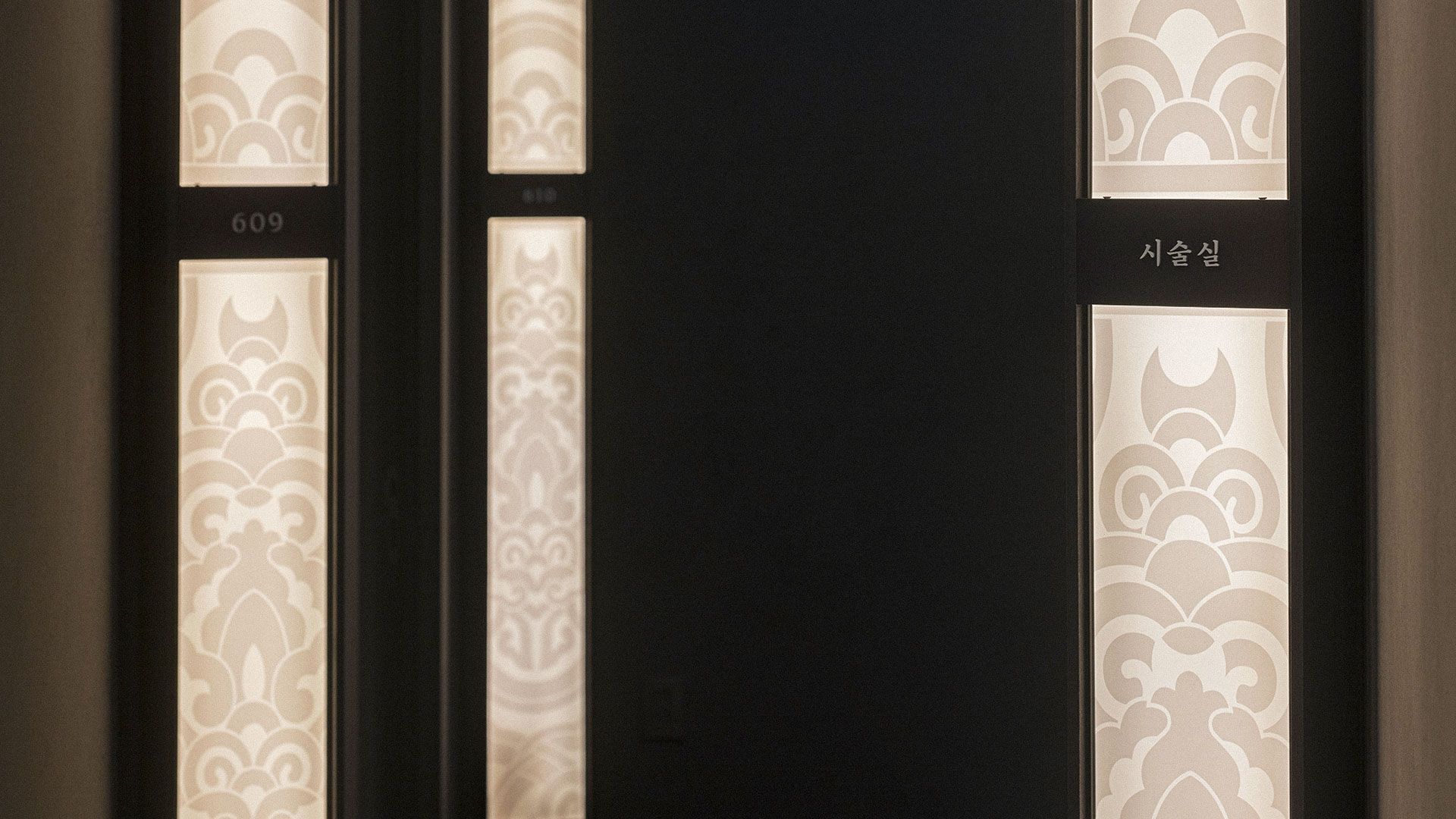
Private 1:1 treatment room doors at DayBeau Clinic Myeongdong
The private suite

One patient. One room. One physician.

Planned and performed by a physician in a private treatment room, with time to ask every question before you decide.

I.    Physician-led
Assessment, plan and treatment by a licensed doctor.

II.    Private 1:1 room
You never share a space with another patient.

III.    Genuine, certified devices
Ultherapy Prime and Thermage FLX, with tips you can inspect before treatment.

IV.    Planned around your trip
Low-downtime options timed to your flight home.

Your visit
Facial Redness, step by step

01

Consultation
The physician reviews your history, triggers, medications and current skincare, and examines the pattern of redness.

02

Diagnosis and plan
You are told whether the redness looks vascular, inflammatory, barrier-related or mixed, and what order to treat in.

03

Treatment or home plan
Depending on the cause, you start gentle skincare or medication, or proceed to a vascular-targeted session.

04

Review
Progress is checked and the plan adjusted, with a realistic view of how many sessions fit your stay.
Before you book

Aftercare & safety

Aftercare

  • Use a fragrance-free moisturiser twice daily
  • Apply broad-spectrum SPF 50 every morning
  • Avoid scrubs, hot water and strong acids for a week
  • Skip saunas, spicy meals and alcohol for 48 hours after any laser
  • Do not pick or rub treated areas

Safety

Treatments for redness are generally well tolerated, but temporary pinkness, swelling, bruising-like marks or crusting can follow vascular laser or light. Tanned skin, active infection, isotretinoin use, pregnancy, and photosensitising medicines usually mean deferral or a different approach. Redness with fever, pain, sudden swelling or eye symptoms needs prompt medical assessment, so a physician should always examine you before treatment.
For international visitors
If you want a vascular session, book it early in your trip and stay out of strong sun afterwards; wide-brim hats and SPF matter more than usual on Seoul walking days.
Dr. Kim Young-soo, Representative Director
Medically reviewed

Dr. Kim Young-soo

Representative Director · DayBeau Clinic Myeongdong Premium

MD, Hanyang University College of Medicine · Internship, Seoul National University Hospital. Treatments at DayBeau Myeongdong are planned and performed by our physicians.

Last reviewed: October 2026 · Meet our physicians

FAQ
Facial Redness questions
Is facial redness the same as rosacea?
No. Rosacea is one cause of facial redness, typically with flushing, burning or small bumps on the central face. Redness can also come from barrier damage, eczema-type irritation, visible vessels or leftover acne inflammation. A physician examines the pattern and triggers to tell them apart, because the treatment differs.
Why does my face turn red after eating or drinking?
Heat, spicy food, alcohol and hot drinks widen facial blood vessels, which shows more in people with sensitive or rosacea-prone skin. Occasional flushing is common. If it is frequent, burns, or leaves lasting redness, it is worth having a physician check, as triggers can be identified and managed.
Can makeup or skincare cause permanent redness?
Products rarely cause lasting change, but repeated irritation from strong acids, scrubs or fragranced items can keep the barrier inflamed for weeks. Stopping the trigger and using gentle care often improves things considerably. Persistent redness after that should be examined, since another cause may be present.
Do I need laser for facial redness?
Not always. Irritation and barrier-related redness usually improves with simplified skincare and, if needed, medication. Laser or light is mainly considered for visible vessels or redness that persists once the skin is calm. The physician decides this at consultation after examining your skin.
How soon can I wear makeup after a redness treatment?
After a light vascular session, many people can apply mineral or gentle makeup the next day if the skin is not crusted or broken, though your physician will give specific timing. Use clean brushes, remove makeup softly and keep sunscreen on top throughout.
When should I see a doctor about facial redness?
See a doctor if redness lasts more than a few weeks, comes with burning, bumps, eye irritation, swelling or pain, or if a rash spreads quickly. Sudden redness with fever needs urgent attention. Our Myeongdong physicians can assess it, and visitors can book through WhatsApp.
Visiting Seoul?
Book Facial Redness before you fly

Send your concern and travel dates. Our team replies with suitable options and available times.

6F Semicolon Myeongdong, 90 Namdaemun-ro, Jung-gu, Seoul · Open daily 10:00–20:00